Five Bridges Wilderness Area: An ATV Paradise
Nestled in the picturesque surroundings of Halifax, the Five Bridges Wilderness Area has emerged as a favored spot for ATV (All-Terrain Vehicle) enthusiasts. The place is not just about the wilderness; it offers a thrilling adventure ride that brings riders closer to nature while feeling the adrenaline rush. But why has it become such a hotspot?
- Varied Terrain: The Five Bridges Wilderness Area provides a diverse range of terrains, from muddy trails to rocky paths. This variety is like a candy store for ATV riders, where they can test their skills and the capabilities of their machines.
- Accessibility: Located in the proximity of Halifax, it’s not too remote, which makes it a convenient weekend getaway for city dwellers.
- Safety Measures: The area has certain safety provisions in place, ensuring that riders can have a fun-filled adventure without much worry.
However, every coin has two sides. The rising popularity of ATVs in this area has raised some concerns, primarily about its wild residents – the moose.
The Declining Moose Population: What’s Happening?

One might wonder, why is the robust and majestic moose finding it difficult to co-exist with ATVs? There are several factors to this conundrum:
- Noise Disturbance: ATVs, as thrilling as they are, can be quite loud. This continuous noise disrupts the peaceful environment, startling the moose and pushing them further away.
- Destruction of Habitat: The trails, though exciting for riders, can lead to erosion and destruction of vegetation that moose feed on.
- Increased Human Interaction: With more humans around, the chances of harmful interactions, intentional or accidental, rise.
Are ATVs the sole reason behind this decline? Certainly not. But they do add an extra layer of stress on the already struggling moose population. Remember the age-old saying, “The straw that broke the camel’s back”? That’s kind of what’s going on here.
ATV Riding Etiquette: How Can We Co-Exist?
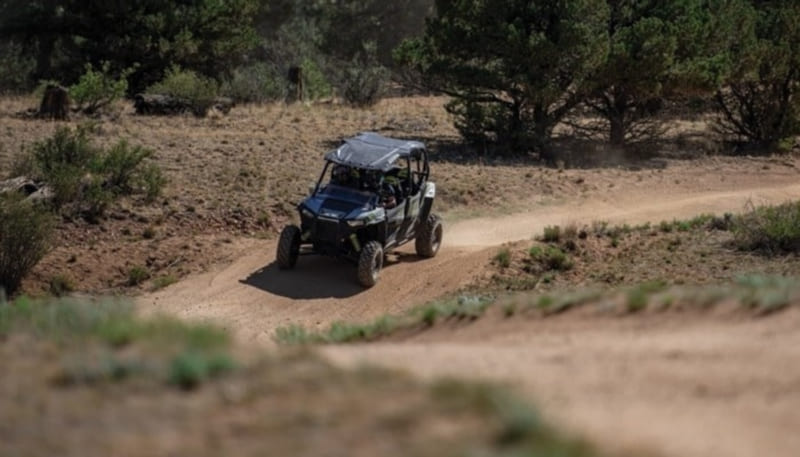
If you’re an ATV enthusiast, you might be thinking, “Should I give up my passion?” But fret not! It’s all about striking a balance. Here’s how:
- Stick to Designated Paths: Avoid making new trails, and stick to existing ones. This minimizes the disturbance to the habitat.
- Keep the Noise Down: While it’s hard to make an ATV whisper-quiet, consider using mufflers or noise reducers.
- Educate and Respect: Understand the importance of wildlife. Respect their space and educate fellow riders.
By following some basic etiquette, the Five Bridges Wilderness Area can remain a favorite for both ATV lovers and the native moose.
Beyond ATV and Moose: Other Attractions
While the ATV-moose saga is what most talk about, there’s more to the Five Bridges Wilderness Area. From picturesque landscapes to a rich biodiversity, it’s a haven for nature lovers. Here’s a sneak peek:
- Bird Watching: The area boasts of numerous bird species. With a pair of binoculars, you can spot some rare birds that call this place home.
- Hiking: If ATVs aren’t your cup of tea, put on some hiking boots. The trails here offer a serene walking experience.
- Camping: Nothing beats the joy of camping under a star-lit sky, surrounded by the sounds of nature.
Got Questions? We’ve Got Answers!
Why has ATV riding become so popular in Halifax?
The thrill of the ride combined with the breathtaking beauty of the Five Bridges Wilderness Area has made it a magnetic attraction for enthusiasts.
Is there any way to help the moose population recover?
Yes, by ensuring a reduced disturbance in their natural habitat, respecting their space, and supporting conservation initiatives.
Can kids ride ATVs in the Five Bridges Wilderness Area?
Children can ride ATVs but under the supervision of adults and after ensuring they’re well-versed with safety guidelines.
In essence, the Five Bridges Wilderness Area is a gem that needs to be cherished and respected. Whether you’re revving up your ATV or quietly observing a moose from a distance, remember – it’s all about coexistence. So, the next time you’re there, take a moment to appreciate the beauty around you. After all, in the words of John Muir, “In every walk with nature, one receives far more than he seeks.”